TECHNOLOGY TRENDS Urban Systems
The world is urbanizing rapidly. Since 2007, more than half of the global population has been living in cities. This figure is predicted to rise to 60% by 2030. Cities are hubs of vital energy and opportunity and drivers of economic growth, but also create strains on infrastructure, contribute to air pollution, increase urban sprawl and account for about 70% of global GHG emissions. Rising inequalities, which were also exacerbated by COVID-19, have been most profound in densely populated urban areas, increasing the already dire need to build urban resilience to the impacts of climate-related disasters and combat social and economic losses.
Key statistics on cities and climate change:
- The world’s cities occupy just 3% of the Earth’s land, but account for 60-80% of energy consumption and 70% of carbon emissions.
- 95% of urban expansion in the next decades will take place in developing world.
- 90% of urban growth is forecasted to happen in Asia and Africa in the next 30 years.
- Rapid urbanization is exerting pressure on fresh water supplies, sewage, the living environment, and public health.
Technology and innovation are needed to address the myriad of considerations that go into planning for more sustainable cities.
Inside our cities Energy efficiency in buildings
Buildings are an integral part of the urban infrastructure. According to the OECD, however, buildings account for 28% of global emissions, and an even larger share of emissions in large cities. During the 2000-2017 period, global energy-related emissions from the building sector increased by 25%. Improving energy efficiency in buildings can substantially reduce energy consumption and emissions while lowering household energy costs and creating jobs. The CTCN has worked extensively with countries to develop climate resilient infrastructure and green buildings for low-carbon societies. It collaborates with industries, organizations, and research institutions to generate and implement energy efficiency technology solutions, including the formulation of national electricity grid codes, rehabilitation of district heating systems and other technology solutions on national, industry and community levels.
E-mobility
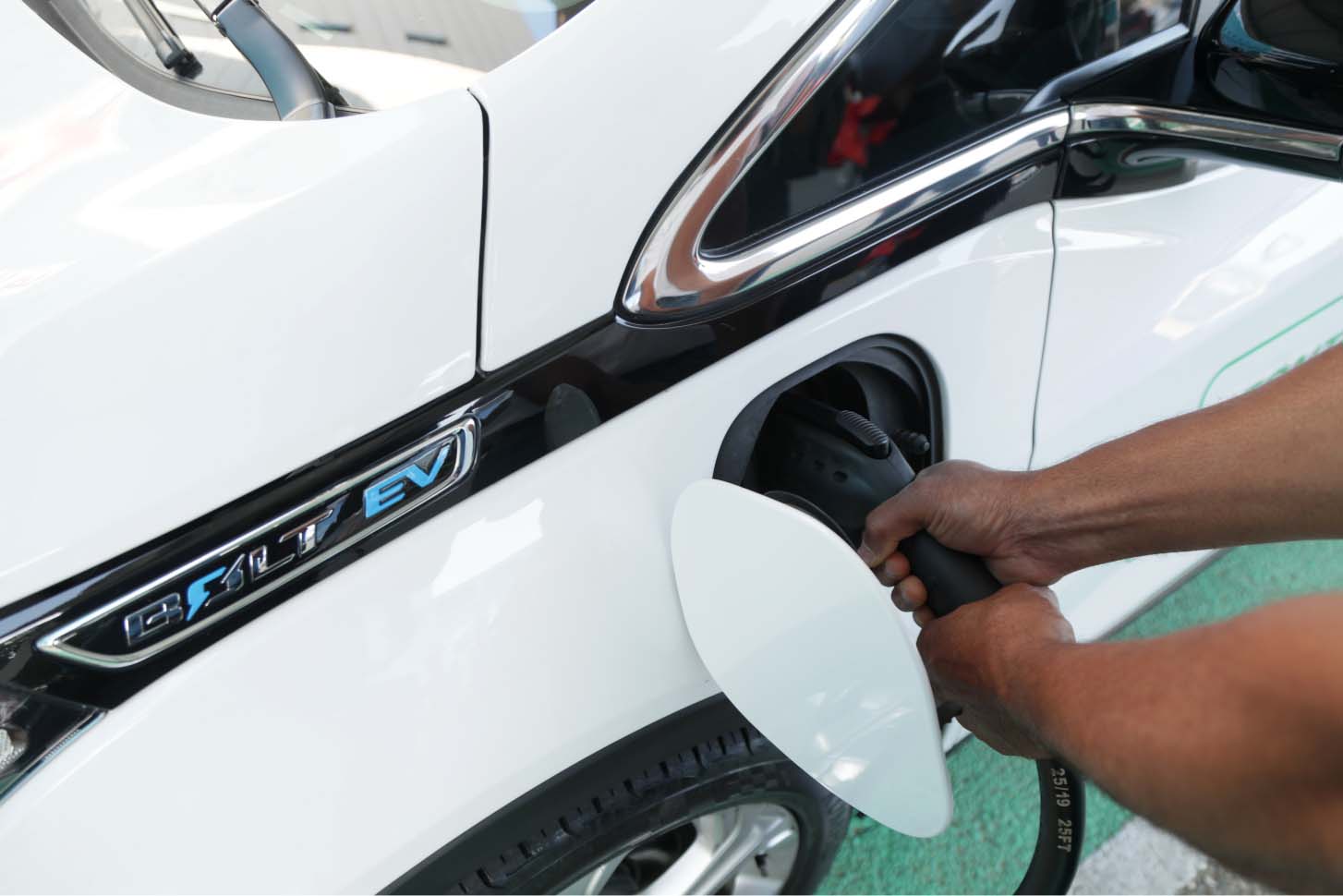
E-mobility innovations are racing ahead with recent advances in new energy vehicles, including battery electric and fuel cell electric vehicles, and alternative fuels (biofuels and e-fuels) for internal combustion engines. It is important to remember that the switch to alternative vehicles is not enough to move the dial on climate change if the source of electricity used is based on fossil fuels. The transformation of the mobility sector requires a coinciding energy sector transformation away from a carbon-intensive grid and toward renewable and more sustainable energy sources. Persisting e-mobility challenges that continue to prevent scale-up include a lack of mobility infrastructure such as charging and refuelling stations, access to renewable energy for charging, battery lifespans, and prohibitive costs to governments for building the appropriate infrastructure.
As the pandemic touched every aspect of our lives, the transport sector was no different. Cities were forced to innovate, as citizens became more concerned about both health and safety, and more focused on social distancing. With the return to cities, a renewed interest in public transit could be taking hold, ushering in a new era of excitement over e-bikes and e-scooters, and new plans for improved public transportation. Many cities are investing in new infrastructure, and with the emphasis on sustainability, technological innovation will be essential in designing these new mobility systems.
The CTCN brings together a diverse array of stakeholders to provide technical assistance on developing sustainable transport systems, including the deployment and scale-up of e-mobility transitions and feasibility studies for sustainable land transport. The Centre is supporting countries like Papua New Guinea, where national policy on EV is being drafted for land transport, alongside a roadmap for its deployment and upscaling. In Zimbabwe, the CTCN is providing similar support to assess market readiness to deploy e-mobility systems.
Developing building code guidelines and identifying technologies to improve building energy efficiency in the Kyrgyz Republic
The building sector in the Kyrgyz Republic comprises more than 70% of the country’s total energy consumption. Most public buildings were outdated, constructed between 35-75 years ago during the Soviet period, lacking retrofits and requiring a high energy demand of 250 kWh per m2 with poor insulation. Between 70-90% of energy was used for space heating, rendering buildings vulnerable to frequent electricity outages, and creating critical heating issues in schools, hospitals, and other community buildings.

The CTCN, in collaboration with state agencies, is tackling this major national challenge through the update of existing national building codes with improved energy parameters, specifically addressing the building codes for boiler installations, heating, ventilation and air conditioning (HVAC), and multicompartment residential buildings. The revised building codes will set mandatory energy performance requirements designed to regulate energy use in all new and existing public and residential buildings. The technical assistance is also providing an analysis of international best practices and gaps in the national policy and regulatory framework, identification of clean energy technologies and building materials, a technical training programme for stakeholders, and the identification of potential funding sources for technology implementation.

The efficiency improvements are expected to reduce energy consumption by 50-60% or 500 GWh/year, while also providing social and economic benefits such as reduced healthcare, operation and maintenance costs, and the improved productivity of public services, including for the most vulnerable.
“This Technical assistance will provide solutions to the energy efficiency challenges that could reduce the country’s energy consumption by 30 to 50% according to the Third National Communication estimates.”
This technology assistance advances:
Kyrgyz Republic’s Nationally Determined Contribution
It aims to reduce GHG emissions by 13.75% from the projected BAU baseline by 2030. Increasing the use of renewable energy technologies and energy efficient measures through the revision of building codes will contribute to improving electricity demand in the public and residential building sector and the achievement of national energy efficiency and renewable energy targets.
Sustainable Development Goals:


Accelerating the transition to sustainable mobility and low carbon emissions
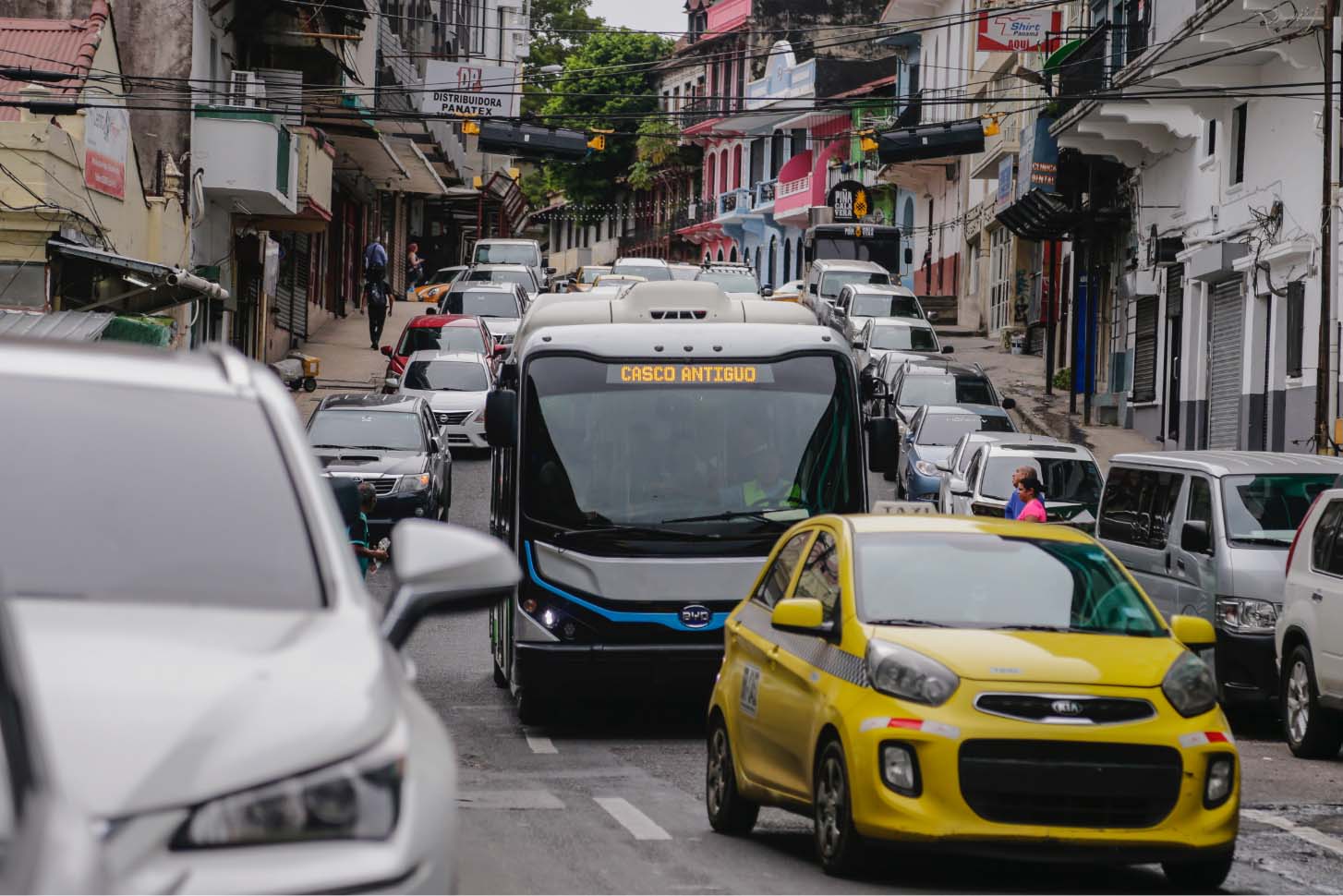
Panama City has long suffered from poor air quality, exacerbated by car ownership that grew on average by 9.4% over the 2010-2015 period, and by increased urban development. Until recently, the public bus system and its outdated fleet further increased both greenhouse gas emissions and poor air quality levels, as the system comprised most of the emissions in Panama.

The CTCN, in collaboration with the Secretaría Nacional de Energía and the Ministerio de Ambiente, developed a high-level sustainable mobility plan for public bus transport in Panama City. The CTCN and its partners LOGIOS, LLC and UNIDO also established a plan to attract investments in clean transportation systems and zero-emissions technologies, starting with an evaluation of the feasibility of incorporating electric vehicles into different bus routes operating in the city. The transformation of the fleet of Transporte Masivo de Panamá, MiBus, featured the first rigorous technical analysis of electric buses that integrated real operational data with computational models to produce predictions of bus performance in a Latin American metropolitan area.

“The transport sector accounts for approximately 50% of energy sector emissions and nearly 30% of national emissions (excluding removals). In recent years, these emissions have been on an upward trend, which is why targeting mass transport is a priority in the development of a resilient, low-carbon economy. This technical assistance laid the foundation with technical robustness to prepare the transition of the existing fleet to electric buses as part of the next steps that the country must take towards sustainable mobility.”
This technology assistance advances:
Panama’s Nationally Determined Contribution
NDC goals include counteracting emissions growth in general through the development of energy-efficient mass public transport systems and the electrification of public transport.
Sustainable Development Goals: