TECHNOLOGY TRENDS Nature-based solutions
According to the IPCC, we have less than 10 years to reverse course on climate change. There are no ‘silver bullets’ or quick fixes to solve this problem or remedy damage we have inflicted in the form of land degradation, which has undermined agricultural and ecological productivity, and threatened food security, water resources and biodiversity. However, we do have nature at our doorstep. The natural world embodies an “immense restorative power” and offers a multitude of synergistic and cost-effective solutions. Indeed, without tapping into the power of nature, we are not likely to achieve net-zero emissions by 2050, the Paris Agreement targets or the SDGs.
According to UNEP, we must invest efforts in the conservation and restoration of biodiversity and ecosystems, enacting dramatic changes in our interactions with nature to “unlock its full potential.” We must invest in what are now called nature-based solutions. IUCN defines nature-based solutions (NbS) as “actions to protect, sustainably manage, and restore natural or modified ecosystems, that address societal challenges effectively and adaptively, simultaneously providing human well-being and biodiversity benefits.”
NbS can be considered as an umbrella concept that actually covers a diverse array of ecosystem-related approaches encompassing five main categories: ecosystem restoration, issue-specific ecosystem-related, infrastructure-related, ecosystem-based management, and ecosystem protection approaches.
The CTCN assists countries with implementing NbS that demonstrate their effectiveness in cross-cutting areas, including disaster risk reduction, water resource management, biodiversity, and climate resilience. It has been emphasized strongly since the pandemic that technologies and practices for nature-based resilience can contribute to building back for a better society and can continue this trend if we harness their potential and facilitate the engagement of stakeholders, including the private sector.
For example, the CTCN helped a wide range of stakeholders assess the costs and benefits of various mitigation options, suitable technologies, and policies for Vietnam’s rice sector, which represented a unique opportunity to scale up a nature-based solution in response to the crop’s methane emissions. In collaboration with UNEP-DHI, the CTCN helped the Government of Lao PDR design ecosystem-based adaptation (EbA) solution options for building urban resilience in 6 cities, including reforestation and forest conservation, wetland restoration or conservation, water harvesting, flood bypasses, green roofs/spaces, and permeable pavements. And the CTCN is currently supporting the development of tailored coastal modelling tools (bathymetric and wave models) for Palau, Republic of the Marshall Islands, Solomon Islands and Kiribati that will enable a more accurate outline of high hazard areas, contribute to improved coastal zone risk management and planning, and facilitate more effective climate change adaptation responses.
This year, the CTCN collaborated with knowledge partner UNEP-DHI to prepare a regional technology brief focusing on NbS solutions to emerging water management challenges in the Asia-Pacific region. This publication sought to highlight the potential of NbS in the region, showcasing a diverse set of case studies, from urban greening projects and coastal protection initiatives to local wastewater treatment and community eco-engineering projects. The publication provides a myriad of examples and lessons learned, confirming that NbS is a critical mechanism to build climate change resilience within the water sector and that it contributes to the achievement of numerous SDGs.
Formulation of Kenya’s ten-year
national agroforestry strategy
(2020 – 2030)
Climate projections indicate that temperatures in Kenya will increase 1.5 to 3.0°C by 2050. According to Kenya’s National Adaptation Plan (2015 -2030), more than half of its counties are susceptible to flooding or drought, rendering the country’s agriculture sectors extremely vulnerable. Livelihoods are at stake, given that the agriculture sector directly contributes about 25% of Kenya’s GDP, while 27% of GDP is provided indirectly through linkages to agro-based industries and the service sector.
Kenya has identified agroforestry as a solution that enhances adaptation while delivering mitigation co-benefits. A multitude of national plans and strategies acknowledge the potential for agroforestry, including the National Climate Change Framework Policy of 2015, the Kenya Agriculture sector growth and transformation strategy (2017-2027), Kenya Framework for Sustainable Land Management (2016-2026), Kenya’s Climate smart Agriculture Strategy (2017-2027) and the ongoing development of a strategy for achieving and maintaining 10% tree cover by 2022. However, successful implementation of agroforestry measures requires effective collaboration and partnerships between a myriad of sectoral actors, programs and strategies, and the country has been without a specific national strategic framework to facilitate this coordination.

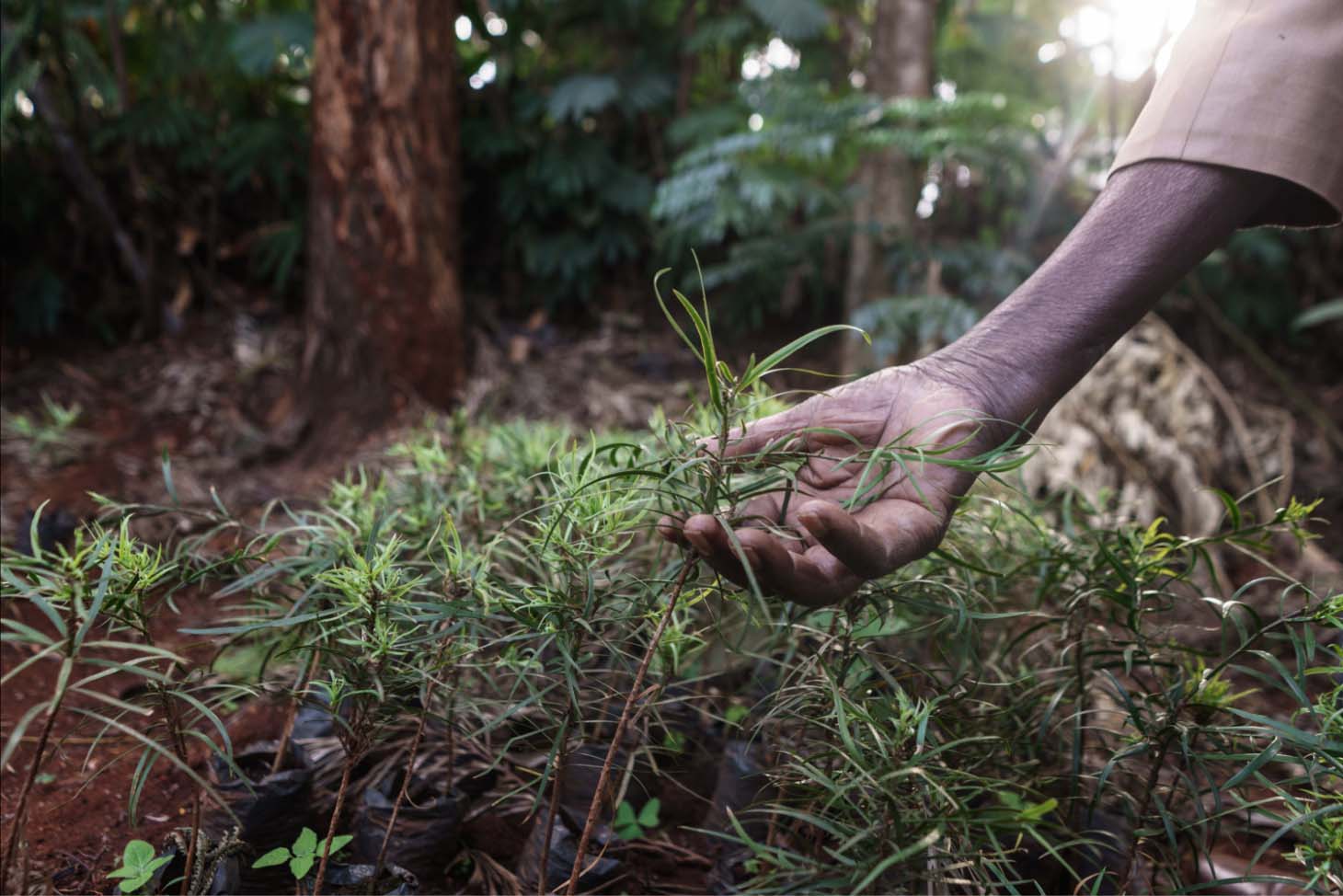
The CTCN developed Kenya’s National Agroforestry Strategy through analysis and review of current policies and strategies, the undertaking of a baseline study, regional stakeholder consultations, and support on the official launch of the national strategy. The strategy supports Kenya’s goal to maintain 10% tree cover at the farm-forestry level and its implementation has the potential to contribute to 50% of Kenya’s goal of abating 4.2MtCO2e by 2030. It will also improve food security by promoting agroforestry products as dietary substitutes for nutritional benefit. In the long term, the implementation of the strategy will result in both cleaner air and water, richer soil biodiversity, water retention, reduced soil erosion and a more stable food supply.

“Kenya’s agricultural sector is highly dependent on the natural resource capital which is impacted by climate change and land degradation. The twin challenges increase the vulnerability of farmers, the majority of whom are smallholder producers making them less adaptable to shocks. Agroforestry has been demonstrated to increase farmers’ adaptive capacity by diversifying the enterprise base for smallholders while regulating the flow of ecosystem services that are necessary for sustained productivity. While a policy framework that creates an institutional home for agroforestry through inter-ministerial collaboration is the ultimate goal, this strategy aims to begin that journey by outlining actions that will strengthen investments in agroforestry by the ministry of agriculture. Intergovernmental coordination will therein support farmer advisory and other investments across the agroforestry value chains, including at the county level. The strategy is timed for implementation during the UN Decade on Ecosystem Restoration 2021-2030 which will place Kenya ahead in the agenda of “Preventing, halting and reversing the degradation of ecosystems.”
This technology assistance advances:
Kenya’s Nationally Determined Contribution
Kenya’s NDC is rooted in Kenya’s Vision 2030, which is a roadmap of economic growth, social inclusion and sustainable development that highlights mitigation activities such as reaching tree cover of at least 10% of the land area. The NDC is aligned with the country’s continued commitment to the issue of climate change as reflected in the National Climate Change Policy as well as national policies on agriculture, power, energy, energy efficiency and water, among other sectors.
Sustainable Development Goals: