TECHNOLOGY FRAMEWORK Support
Finance is an essential element of technology development, transfer, and deployment. As the TEC points out, involving all relevant stakeholders is crucial to bridge finance gaps, mitigate investment risks, enable government-led collaboration with international funding agencies, and promote the active participation of key ministries in national planning processes. A majority of developing countries continue to communicate their funding needs to the CTCN as part of their technical assistance requests.
Enhancing the collaboration of the Technology Mechanism with the Financial Mechanism
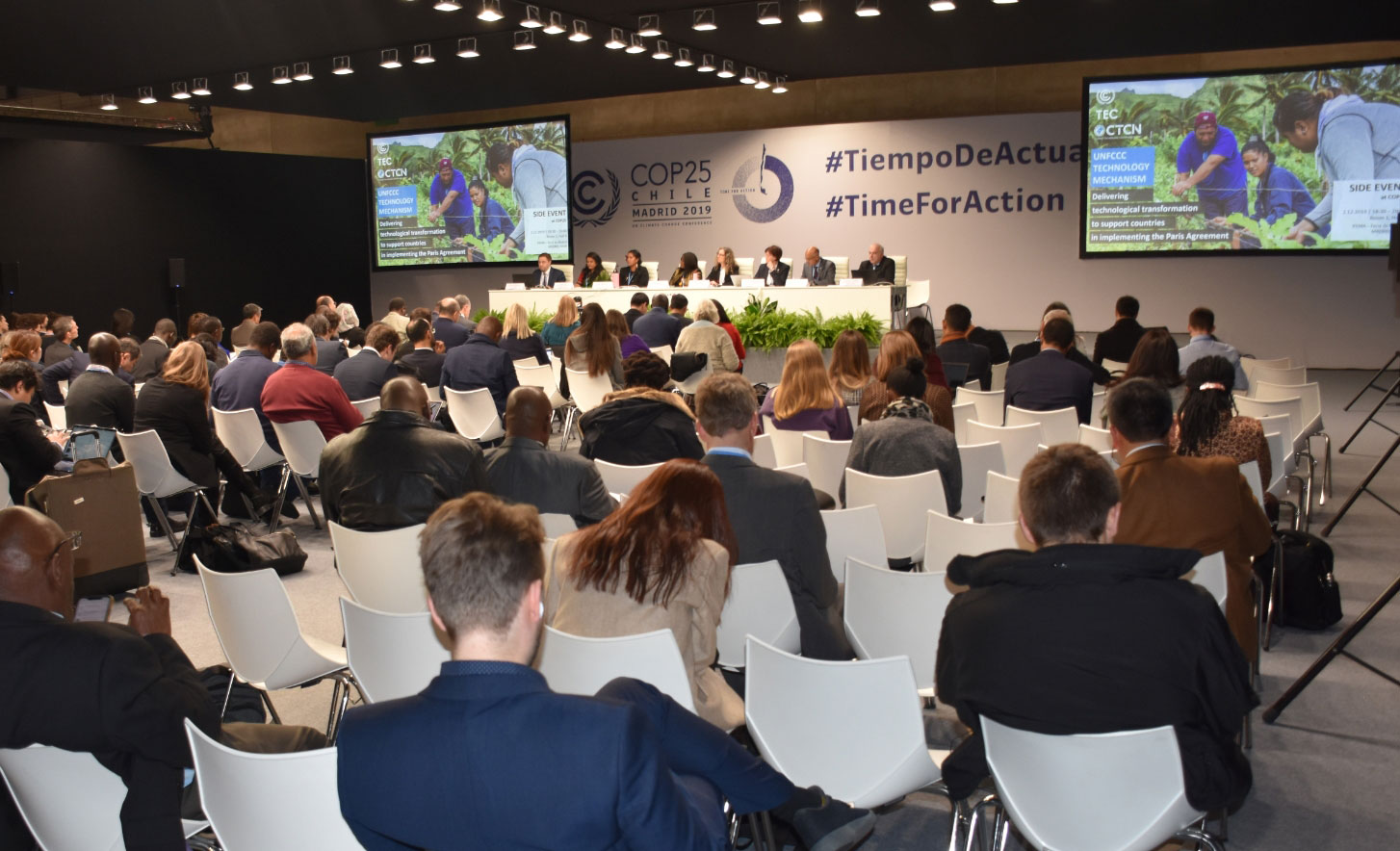
Since 2017, countries have increasingly sought CTCN support to develop and implement technical assistance projects utilizing their GCF Readiness and Preparatory Support Programme allocation. As reported by the GCF, the CTCN is now the largest provider of GCF readiness support for technology, implementing 75% of the GCF technology related readiness grants. To date, twenty-nine GCF readiness projects implemented by the CTCN have been approved, totalling almost 10 million USD.
Fruitful discussions have been held this year between the CTCN and GCF on advancing collaboration, including through developing a programmatic approach with emphasis on adaptation and climate technology, and strengthening engagement with Direct Access Entities to develop funding proposals with robust adaptation technology elements.
The CTCN has collaborated with the Adaptation Fund to foster innovation in climate change adaptation in developing countries through the Adaptation Fund Climate Innovation Accelerator, or AFCIA. Coordination meetings have taken place regularly between the Adaptation Fund and project implementers UNEP/CTCN and UNDP to exchange information on the implementation of AFCIA and other relevant adaptation matters.
Since 2019, the CTCN has collaborated with the NDC Partnership to serve country requests submitted to the Partnership through CTCN technical assistance. To date, five countries have received support under this partnership, with co-funding provided by the NDC Partnership totalling just over half a million USD. Furthermore, the CTCN’s support to update and review Belize’s NDC is expected to serve as a starting point for activities under the Climate Action Enhancement Package, thanks to the identification of a range of sectors and actions that could be undertaken to implement the mitigation and adaptation components of the country’s NDC.

Mobilizing pro bono and in-kind support
The CTCN mobilizes pro bono and in-kind contributions to support delivery of services to developing countries. Pro-bono support secured was 378,000 USD over the last year, including support received from the Republic of Korea and from Japan’s Ministry of Environment. Furthermore, with co-funding from UNDP Togo, the CTCN is supporting the government of Togo to develop a conceptual framework for climate smart communes.
Facilitating access to financing through technical assistance
The CTCN often includes specific deliverables in its technical assistance to equip beneficiaries with the skills and information needed to mobilise finance for further technology implementation.
In Sri Lanka, for example, a project concept paper was developed as part of the CTCN’s support to the city of Kurunegala. As a result, the concept note was approved for funding from the Korean International Cooperation Agency for 570,000 USD to pilot a priority technology in the waste sector. In Lao PDR, the CTCN’s support successfully leveraged 10 million USD from the GCF to build the resilience of its urban population through ecosystem-based solutions.
Monitoring and evaluation
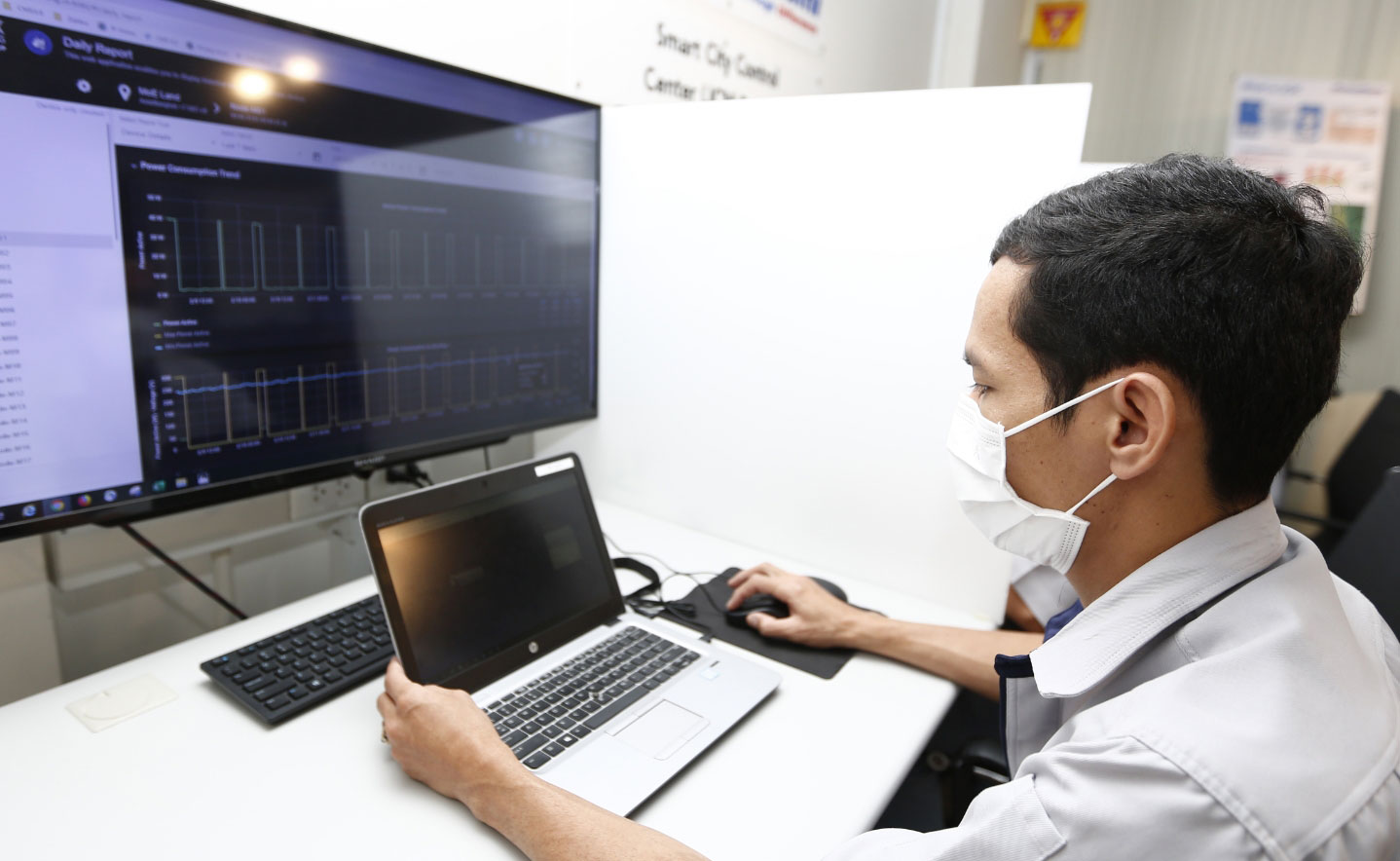
The year 2021 marks the Centre’s third year of operationalization of the Paris Agreement’s Technology Framework and the second year of implementation of the CTCN’s updated monitoring and evaluation system. Impact data was recorded for all completed capacity building and technical assistance activities through aggregated output, outcome, and impact indicators. This data and evidence will help the CTCN achieve measurably better outcomes by providing an evidence base upon which to make improvements in the future.
The CTCN continues to make data on its service delivery publicly available. The CTCN publishes all core technical assistance information, including TA requests, response plans and project deliverables on the CTCN information portal, www.ctc-n.org.
A review of the CTCN’s M&E system was conducted in the second quarter of 2021 to assess the extent of its operationalization and assess changes needed to simplify the system. Emphasis was placed on fostering an ‘M&E culture’ among CTCN staff and stakeholders to promote the quality and uptake of M&E results, and internal trainings were provided on how to collect and manage M&E information.
Scaling up investments to achieve NDC energy efficiency goals in Thailand’s building sector
The CTCN and its Consortium partners, the National Renewable Energy Laboratory (NREL) and The Energy and Resources Institute (TERI), prepared a GCF Readiness proposal to facilitate the achievement of national targets for the building sector as defined in Thailand’s 2015 Energy Efficiency Plan and its NDC. According to Thailand’s NDC Road Map, 113 million of the 116 million tonnes of GHG emission reductions to be reduced by 2030 should be achieved through energy efficiency and renewable energy.
Achieving emissions reductions in the building sector is imperative to meeting these national targets. The national Building Energy Code (BEC) from 2009 mandated minimum energy standards for new buildings, but authorities had been unable to compel the construction industry, project developers and investors to adopt these standards due to a lack of guidance on relevant cost-efficient technologies. The readiness proposal determined the share of buildings included in the total mitigation potential toward the NDC, developed a financial methodology to assess the implementation potential of technologies to enhance energy efficiency, conducted an institutional assessment of current enforcement mechanisms, and mapped the responsible government agencies.

The readiness proposal was approved in 2019 with the CTCN as the delivery partner. The International Institute for Energy Conservation is the implementing partner leading on the development of energy consumption benchmarks for selected building types under the BEC and proposing a techno-financial assessment of building technologies that reduce emissions and meet energy efficiency targets. These results can be shared with developers, architects, and investors to help inform investment decisions in the building sector, laying the foundation to support market transformation, workforce development, and sustainable development in Thailand.
This technology assistance advances:
Thailand’s Nationally Determined Contribution
To reduce GHG emissions by 20% from BAU by 2030 in line with the Energy Efficiency Plan, which aims to reduce the country’s energy intensity by 30% below the 2010 level in 2036. This will require a 7% emissions reduction from the energy and transport sectors by 2020 relative to the 2005 baseline, a substantial share of which is expected to come from energy efficiency measures in the building energy sector.
Sustainable Development Goals: